“Stroke Signs, Causes, and Prevention—A Must-Read for Every Adult”
Understanding stroke signs and prevention is essential for reducing the risk of long-term brain damage or even death.A stroke occurs when the blood supply to part of the brain is interrupted or significantly reduced, preventing brain tissue from getting the oxygen and nutrients it needs. This can cause brain cells to begin dying within minutes
There are two primary types of stroke:
1. Ischemic Stroke
This is the most common type, accounting for around 90% of all strokes. It happens when a blood clot or a buildup of fatty deposits (plaque) blocks or narrows a blood vessel supplying the brain. This can occur due to:
- Clots forming directly in the brain’s arteries
- Clots traveling to the brain from other parts of the body
- Excessive plaque buildup in the arteries (atherosclerosis)
- Atrial fibrillation (an irregular heart rhythm), which can produce clots in the heart that travel to the brain
- Rarely, inherited or acquired blood clotting disorders
2. Hemorrhagic Stroke
This type occurs when a blood vessel in the brain bursts, causing bleeding (hemorrhage) in or around the brain. The leaking blood puts pressure on brain tissue and damages brain cells. Key causes include:
- Chronic high blood pressure (hypertension)
- Brain aneurysms (weakened blood vessel walls that balloon and rupture)
- Arteriovenous malformations (tangled blood vessels prone to bleeding)
- Head trauma
- Brain tumors or cancers that spread to the brain
Stroke Signs and Symptoms You Should Never Ignore
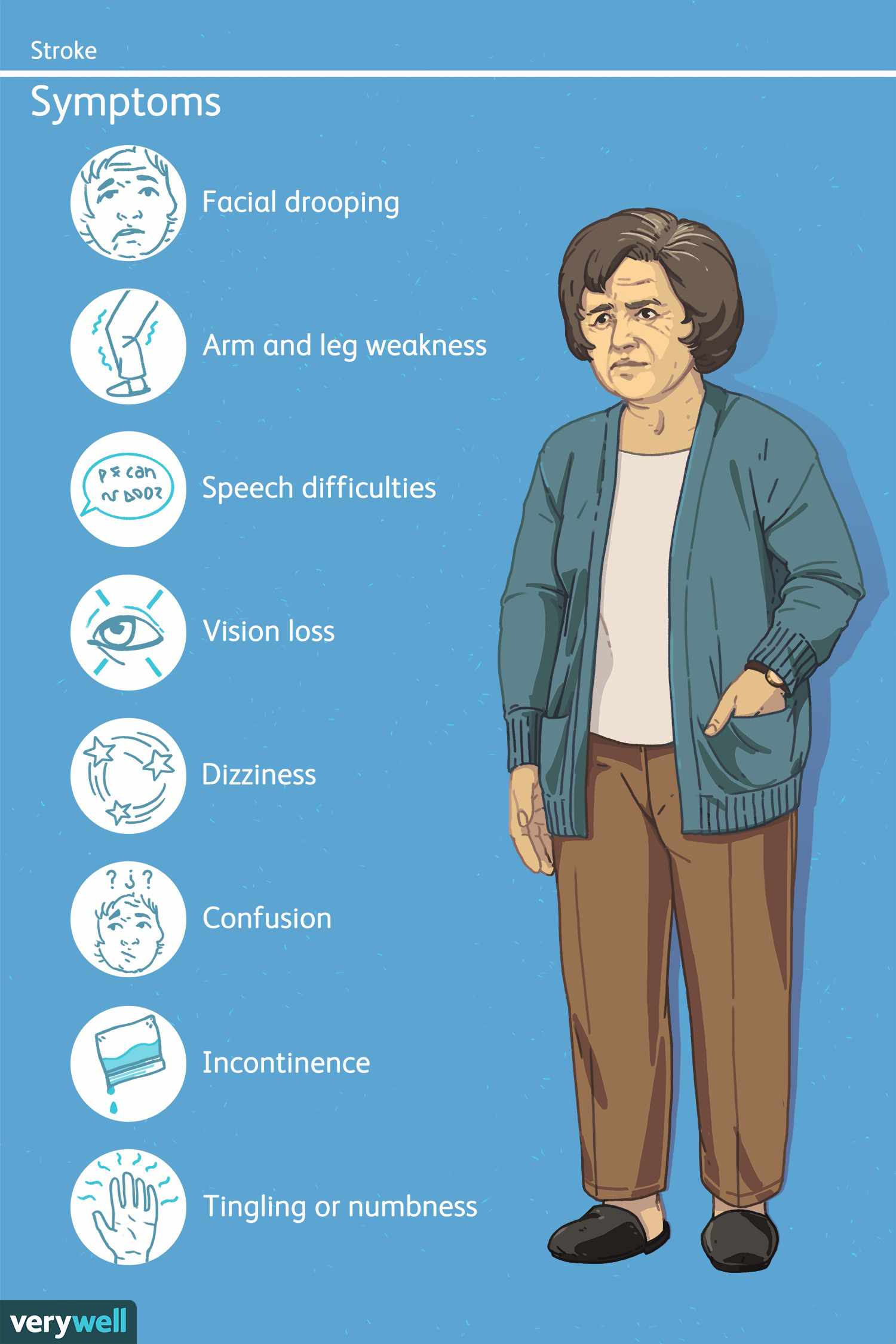
Recognizing stroke symptoms quickly is vital for timely treatment. Symptoms typically appear suddenly and may include:
- Numbness or weakness on one side of the body, especially the face, arm, or leg
- Blurred or lost vision in one or both eyes
- Trouble speaking or understanding speech
- Severe, unexplained headache
- Loss of coordination, dizziness, or difficulty walking
- Sensory changes (e.g., changes in touch, taste, or smell)
- Nausea or vomiting
- Confusion or sudden memory loss
- Loss of consciousness or fainting
- Seizures in some cases
Mini Stroke (Transient Ischemic Attack – TIA)
A TIA has the same symptoms as a full stroke, but the blockage is temporary, and symptoms usually disappear within minutes to a few hours. Though symptoms go away, a TIA is a major warning sign of a potential future stroke and should not be ignored.Many adults are unaware of the early stroke signs, causes, and prevention strategies that could save lives.
What to Do When Stroke Signs Appear: Prevention Starts with Fast Action
Remember B.E.F.A.S.T. to Recognize a Stroke Quickly
This simple acronym helps identify stroke symptoms and reminds you to act fast:
- B – Balance: Sudden dizziness or loss of balance
- E – Eyes: Sudden vision changes or loss
- F – Face: One side of the face droops or feels numb
- A – Arms: One arm feels weak or drifts down when raised
- S – Speech: Slurred or strange speech
- T – Time: Time to call emergency services immediately
A stroke is a medical emergency. If you or someone around you shows any of these signs, call 911 without delay. Fast treatment can greatly increase the chance of survival and reduce long-term brain damage.Being educated about stroke signs, causes, and prevention helps reduce long-term complications and improves recovery chances.
ALSO VISIT
Stroke Treatment Options After Identifying Stroke Signs
Emergency Medications
- tPA (Tissue Plasminogen Activator): This clot-dissolving drug is highly effective in ischemic strokes but must be administered within 3 to 4.5 hours of symptom onset.
- Anticoagulants and Antiplatelets: These medications help prevent new clots from forming and are used both for emergency treatment and long-term stroke prevention.
Surgical and Interventional Procedures
- Thrombectomy: A catheter is threaded through a blood vessel (usually from the groin) to the brain to remove a clot using a stent-like device.
- Angioplasty and Stenting: A small balloon is inserted to open a narrowed artery, often followed by placement of a stent to keep the vessel open.
- Carotid Endarterectomy: Surgery that removes plaque buildup from the carotid arteries in the neck, which are major blood suppliers to the brain.
“stroke signs and prevention
About 80% of strokes are preventable by addressing modifiable risk factors and making healthier lifestyle choices.
Controllable Risk Factors:
- High blood pressure (the most significant risk)
- Atrial fibrillation
- Type 2 diabetes
- High cholesterol
- Smoking or tobacco use
- Excessive alcohol consumption
- Unhealthy diet (high in saturated fats, trans fats, and cholesterol)
- Obesity or being overweight
- Physical inactivity
- Hormonal medications (including birth control pills or hormone replacement therapy)
stroke risk reduction
- Age (risk increases significantly after age 65)
- Gender (men are more likely to have strokes, but women are more likely to die from them)
- Race (African Americans have a higher stroke risk)
- Family history of stroke or cardiovascular disease
- History of migraines
- Infections like COVID-19, which may increase stroke risk due to inflammation and clot formation
stroke warning signs and risk reduction
Taking proactive steps can dramatically lower your risk of having a stroke:
- Stay active: Engage in regular physical activity like walking, swimming, or cycling
- Eat healthy: Focus on a diet rich in fruits, vegetables, whole grains, lean protein, and low in processed foods, sugars, and unhealthy fats
- Manage weight: Keep your body weight in a healthy range
- Quit smoking: Avoid all tobacco products and secondhand smoke
- Limit alcohol: Stick to moderate drinking guidelines—1 drink per day for women, 2 for men
- Control blood pressure and cholesterol: Monitor regularly and take medication if prescribed
- Manage blood sugar levels: Especially if you have diabetes
- Sleep well: Aim for 7–9 hours of restful sleep per night
- Manage stress: Practice relaxation techniques like meditation, yoga, or deep breathing
Routine checkups are essential to catch potential issues early and keep risk factors under control.
Takeaways
A stroke is a critical medical event that happens when the brain is deprived of blood flow, either due to a blockage or bleeding. Knowing the symptoms and responding quickly can save lives and reduce long-term effects. With the right treatment and lifestyle changes, many strokes are preventable or manageable.
Stroke FAQs
What’s the difference between a stroke and a heart attack?
Both conditions involve blocked blood flow due to a clot or plaque, but they affect different organs. A stroke impacts the brain, while a heart attack affects the heart muscle.
What are early signs of heart disease that could lead to stroke?
Some signs include chest pain, shortness of breath, arm or leg weakness, and discomfort in the neck or back. However, heart disease may sometimes show no symptoms until a serious event occurs.
“Recognizing stroke signs and prevention strategies can significantly improve outcomes and reduce long-term complications.”
“Doctors emphasize the importance of educating the public on stroke signs and prevention, especially in high-risk populations.”
“While treatment is important, focusing on stroke signs and prevention can save lives before emergencies occur.”
Can someone fully recover from a stroke?
Recovery is possible and varies widely. Some people regain full function, while others may have lasting effects. Rehabilitation can take months and may include physical, speech, and occupational therapy.
What does having a stroke feel like?
Most people describe a sudden numbness or weakness, especially on one side of the body. Others report confusion, difficulty speaking, blurred vision, or a severe headache.In summary, being informed about stroke signs, causes, and prevention can make a life-saving difference.