Anxiety Disorders: Causes, Symptoms, and Treatmen Feeling anxious occasionally is a normal human experience. Everyone feels nervous or uneasy at times — such as before an exam, a big presentation, or a major life event. However, when anxiety becomes overwhelming, persistent, or disproportionate to the situation, it may indicate an anxiety disorder.
People with anxiety disorders often experience intense, prolonged fear or worry about everyday situations. These emotions can lead to panic attacks, which are sudden surges of overwhelming fear or discomfort that peak within minutes.
Such anxiety can interfere with daily functioning, be difficult to manage, and last for long periods. Some individuals may even avoid certain places, people, or activities to prevent these distressing feelings. Anxiety disorders can begin during childhood or adolescence and may continue into adulthood.
There are several different types of anxiety disorders, such as:
- Generalized Anxiety Disorder (GAD)
- Social Anxiety Disorder (Social Phobia)
- Specific Phobias
- Panic Disorder
- Separation Anxiety Disorder
It’s also possible to experience multiple types of anxiety at the same time, or to have anxiety that stems from an underlying medical condition.
Regardless of the form, anxiety disorders are treatable with the right professional support and self-care strategies.
Common Symptoms and Early Warning Signs of Anxiety Disorders: Causes, Symptoms, and Treatment
The signs and symptoms of anxiety can vary from person to person, but they often include a combination of physical, emotional, and behavioral responses:
- Persistent feelings of nervousness, restlessness, or tension
- A constant sense of impending danger or doom
- Increased heart rate or palpitations
- Rapid breathing or hyperventilation
- Sweating and trembling
- Weakness or fatigue
- Difficulty focusing or thinking clearly
- Trouble sleeping or staying asleep
- Digestive issues such as nausea or stomach upset
- Difficulty controlling worry
- Avoiding people, places, or situations that trigger anxiety
Different Types of Anxiety Disorders and Their Treatments
1. Agoraphobia
A strong fear of being in situations where escape might be difficult or embarrassing — such as crowds, public transportation, or open spaces. People with agoraphobia may avoid these situations altogether.
2. Anxiety Disorder Due to a Medical Condition
This occurs when anxiety or panic is directly caused by a physical health issue, such as thyroid problems or heart conditions.
3. Generalized Anxiety Disorder (GAD)
People with GAD experience chronic and excessive worry about everyday matters — such as health, finances, or work — even when there is little reason to worry. The anxiety feels uncontrollable and often affects physical well-being.
4. Panic Disorder
Characterized by recurring panic attacks — sudden, intense episodes of fear that can include shortness of breath, chest pain, heart palpitations, and a feeling of losing control. People with panic disorder often worry about having future attacks and may avoid triggers.
5. Selective Mutism
A condition in which children are capable of speaking but fail to do so in specific situations (for example, at school). This behavior can disrupt learning, communication, and social development.
6. Separation Anxiety Disorder
More common in children, this involves extreme distress when separated from parents or caregivers. The anxiety is greater than expected for the child’s developmental stage.
7. Social Anxiety Disorder (Social Phobia)
Marked by an intense fear of being judged, embarrassed, or humiliated in social or performance situations. People may avoid social gatherings, public speaking, or even daily interactions.
8. Specific Phobias
These involve extreme fear of particular objects or situations, such as flying, heights, or animals. Exposure to the feared trigger may cause immediate panic.
9. Substance-Induced Anxiety Disorder
Anxiety that develops as a direct result of drug misuse, medication side effects, or withdrawal from substances such as alcohol or benzodiazepines.
10. Other Specified or Unspecified Anxiety Disorders
Some individuals may have anxiety symptoms that do not fit neatly into one category but still cause significant distress or impairment.
When to Seek Medical Help for Anxiety Disorders and Their Symptoms
You should consider speaking with a healthcare professional if:
- Your anxiety feels excessive or unmanageable.
- It interferes with work, relationships, or daily functioning.
- You experience symptoms of depression or substance misuse alongside anxiety.
- You suspect your anxiety is related to a medical condition.
- You have suicidal thoughts or feelings of hopelessness.
If you ever feel unsafe or are thinking about self-harm, seek help immediately. In the U.S., you can call or text 988 to reach the Suicide and Crisis Lifeline, which offers free, confidential support 24/7.
Early treatment is important. Anxiety disorders tend to worsen over time if left untreated, but they often respond well to therapy, medication, and lifestyle adjustments.
ALSO VISIT
Major Causes and Underlying Triggers of Anxiety Disorders
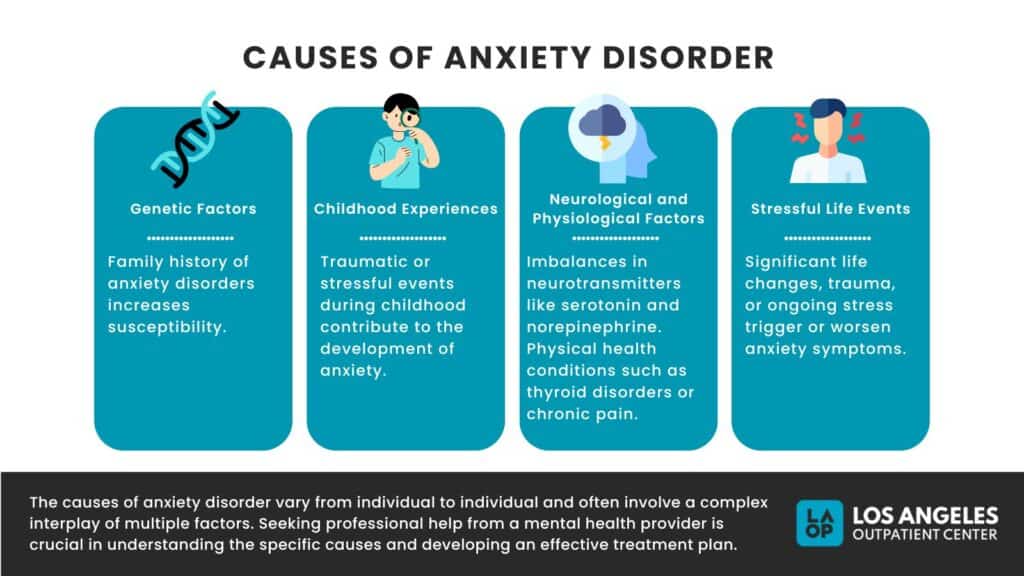
The exact causes of anxiety are not fully understood, but they likely involve a mix of genetic, environmental, and biological factors.
Potential Triggers Include:
- Traumatic life experiences, particularly in childhood
- Inherited traits that increase vulnerability
- Brain chemistry imbalances involving neurotransmitters such as serotonin and dopamine
How Medical Conditions Can Cause or Worsen Anxiety Disorders
Sometimes, anxiety is the first sign of an underlying health issue. Conditions that can trigger or worsen anxiety include:
- Heart disease
- Diabetes
- Thyroid problems (especially hyperthyroidism)
- Asthma or COPD
- Substance misuse or withdrawal
- Chronic pain or irritable bowel syndrome
- Hormone-producing tumors (rare)
Certain medications may also cause anxiety as a side effect.
You may have a medically related anxiety condition if:
- Anxiety begins suddenly without clear cause.
- You have no family history of anxiety.
- You did not experience anxiety in childhood.
- Your symptoms do not align with typical triggers.
Risk Factors That Increase the Likelihood of Developing Anxiety Disorders
Some individuals are more likely to develop anxiety disorders due to:
- Childhood trauma or abuse
- Chronic stress or major life changes
- Health challenges or serious illness
- Personality type (highly sensitive or perfectionistic individuals may be more prone)
- Family history of anxiety or mood disorders
- Substance use or withdrawal
- Other mental health issues, such as depression
Complications and Long-Term Effects of Untreated Anxiety Disorders
If not managed properly, anxiety can lead to additional physical and emotional problems, including:
- Depression and other mood disorders
- Substance dependence
- Sleep disturbances
- Digestive problems
- Chronic pain or headaches
- Social withdrawal or isolation
- Difficulty functioning at work or school
- Reduced quality of life
- Suicidal thoughts or behaviors
Prevention and Coping Strategies
While anxiety disorders cannot always be prevented, proactive steps can reduce their severity and impact:
- Seek Help Early
Early intervention can prevent symptoms from worsening and improve long-term outcomes. - Stay Active
Regular physical activity releases endorphins and improves mood. Choose activities you enjoy, such as walking, yoga, or swimming. - Build Supportive Relationships
Stay connected with friends, family, or support groups. Social connection helps buffer against anxiety. - Limit Alcohol and Avoid Drugs
Substances can temporarily relieve anxiety but often worsen it in the long run. Seek help if you find quitting difficult. - Practice Relaxation Techniques
Deep breathing, mindfulness, meditation, or journaling can help calm the mind and body.
Final Thoughts on Understanding and Managing Anxiety Disorders
Anxiety disorders are among the most common mental health challenges, but they are also highly treatable. Recognizing symptoms early, seeking professional care, and maintaining healthy lifestyle habits can make a significant difference in managing anxiety and improving overall well-being.