“Sore Throat: Causes, Symptoms, and Effective Home Treatments”
A sore throat, medically known as pharyngitis, refers to pain, irritation, or a burning sensation in the back of your throat. It may become uncomfortable to swallow, talk, or even breathe through your mouth. Most cases are caused by viral infections, such as the common cold or influenza, and typically improve within a week without medical treatment.
While a sore throat is often mild, persistent or worsening symptoms can sometimes signal a more serious infection or underlying condition.
Overview of Sore Throat (Pharyngitis)
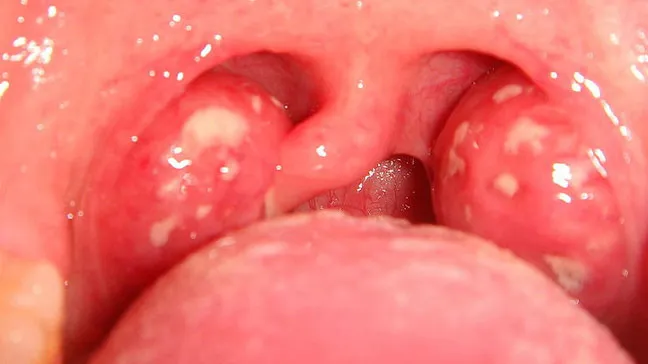
A sore throat develops when the lining of the throat (pharyngeal mucosa) becomes inflamed. This inflammation can make the area appear red, swollen, or coated with white patches or streaks. In most cases, the discomfort is temporary and resolves as the body fights off the underlying infection.
Types of Pharyngitis and Sore Throat Infections
Pharyngitis is generally classified based on how long symptoms last:
- Acute pharyngitis: A short-term sore throat lasting from three to ten days. This is the most common type and is usually due to viral infections.
- Chronic pharyngitis: A long-lasting sore throat that persists for more than 10 days or frequently recurs. It can result from ongoing irritation, allergies, or repeated infections.
Common Symptoms of a Sore Throat and Throat Pain
Common Symptoms
A sore throat often begins with a dry, scratchy, or raw feeling. As the inflammation progresses, swallowing and speaking can become painful. The discomfort may spread to the ears or neck, and other symptoms may appear depending on the underlying cause.
Typical symptoms may include:
- Fever or chills
- Headache
- Cough
- Runny or stuffy nose
- Fatigue and body aches
- Swollen lymph nodes in the neck
- Red or inflamed tonsils
- White patches or streaks on the tonsils or throat
- Hoarseness or loss of voice
- Nausea or mild stomach upset
Main Causes of Sore Throat (Viral, Bacterial, and Other Factors)
The majority of sore throats are caused by viral infections, but other factors may also contribute.
1. Viral Infections
Viruses are the most frequent culprits, including:
- The common cold (rhinovirus)
- Influenza virus
- Mononucleosis (Epstein-Barr virus)
- COVID-19 and other respiratory viruses
2. Bacterial Infections
Certain bacterial infections can cause more severe sore throats, such as:
- Strep throat (caused by Streptococcus pyogenes)
- Bacterial sinus infections that drip mucus down the throat (postnasal drip)
3. Tonsillitis
When the tonsils become infected and inflamed, it can cause pain, redness, and sometimes pus-filled spots on the tonsils.
4. Allergies
Allergic reactions to pollen, dust mites, mold, or pet dander can cause postnasal drip, which irritates the throat over time.
5. Acid Reflux (GERD)
In gastroesophageal reflux disease, stomach acid travels up the esophagus, causing a burning sensation known as heartburn, which can irritate the throat.
6. Overuse or Irritants
- Yelling, singing, or talking loudly for extended periods can strain throat muscles.
- Exposure to tobacco smoke, pollution, or spicy foods can worsen irritation.
- Drinking very hot beverages can also inflame throat tissues.
7. Mouth Breathing
Breathing through your mouth, especially while sleeping, can dry out throat tissues and lead to soreness.
8. Tumors
Though rare, persistent sore throats can sometimes be linked to throat cancer or noncancerous growths in the throat or vocal cords.
ALSO VISIT
Diagnosis and Tests for Throat Infections and Pharyngitis
To diagnose pharyngitis, a healthcare provider will:
- Review symptoms: Discuss your discomfort, duration, and any associated symptoms (like fever or cough).
- Physical examination: Inspect your throat, mouth, ears, and neck for signs of infection, redness, or swelling.
- Throat swab (strep test): A rapid test or throat culture can confirm if the infection is caused by Streptococcus bacteria.
Identifying whether the cause is viral or bacterial helps determine the best treatment plan.
Medical Management and Treatment for Sore Throat
General Treatment
Most sore throats caused by viral infections resolve naturally within a week. During recovery, treatment focuses on relieving symptoms and preventing complications.
Medical Treatments
- Antibiotics: Used only for bacterial infections such as strep throat. It’s important to complete the full prescribed course.
- Antihistamines: Can reduce postnasal drip caused by allergies.
- Antacids: Help relieve sore throats caused by acid reflux.
- Prescription mouthwash: In severe cases, doctors may recommend a medicated mouthwash containing a numbing agent, an antihistamine, and an antacid to ease discomfort.
Home Remedies for Sore Throat Relief
You can soothe your sore throat and promote healing by:
- Taking over-the-counter pain relievers like acetaminophen or ibuprofen
- Sucking on lozenges or hard candies to keep your throat moist
- Drinking warm fluids (tea with honey, broth) or cold liquids (ice water, popsicles) depending on comfort
- Gargling with salt water (½ teaspoon salt per cup of warm water) to reduce inflammation
- Using a humidifier or vaporizer to keep indoor air moist
- Resting your voice and avoiding shouting or prolonged talking
- Staying away from smoke, spicy foods, and alcohol, which can worsen irritation
Outlook (Prognosis)
In most cases, a sore throat is not serious and resolves on its own. Viral pharyngitis typically clears up within three to ten days. However, if your sore throat persists beyond a week or is accompanied by high fever, rash, or difficulty swallowing, medical evaluation is recommended.
How to Prevent Sore Throat and Recurrent Pharyngitis
You can lower your risk of developing pharyngitis by practicing good hygiene and maintaining a healthy lifestyle.
Tips to prevent sore throats:
- Keep vaccinations (like flu and COVID-19 shots) up to date.
- Wash your hands frequently with soap and water or use hand sanitizer.
- Avoid sharing food, drinks, or utensils.
- Stay away from people who are sick.
- Avoid smoking and exposure to secondhand smoke.
- Rest and hydrate regularly to keep your immune system strong.
Living With a Chronic Sore Throat or Throat Irritation
While your throat heals, you can manage discomfort at home using simple remedies and lifestyle adjustments. Rest, stay hydrated, and avoid irritants.
When to Seek Medical Care
Contact a healthcare provider if you experience:
- Severe or worsening throat pain
- Difficulty breathing or swallowing
- Fever higher than 100.4°F (38°C)
- Swollen or tender lymph nodes
- A lump or bulge in the back of your throat
- Blood in your saliva or mucus
- A rash appearing anywhere on your body
Summary: Understanding and Managing Sore Throat (Pharyngitis)
A sore throat (pharyngitis) is a common symptom that can result from infections, allergies, or irritants. While most cases are mild and short-lived, persistent or severe symptoms should not be ignored. Timely diagnosis and appropriate care can help you recover quickly and prevent complications.